Story 1 · From the Founder
Finding Home on the Road: Travelling with Neurodivergence
Story Snapshot
Travelling with neurodivergence taught me that slowing down isn’t failing. Sometimes creating routine is exactly what allows the adventure to continue.
Exploring the world as a neurodivergent traveller isn’t just about new places; it’s about finding ways to make travel work for my brain. When I tell people I spent six weeks in Salta, Argentina, they’re surprised. It wasn’t about sightseeing or ticking places off a list; it was about finding strategies that helped me feel at home while on the road.
The challenges I faced went beyond the usual culture shock. Six months in Argentina pushed me to my limits with new places, a lack of routine, and constant change. It was exciting, but also exhausting.
At the end of May, I arrived in Salta.
After two weeks, I realised what I really needed was stability. What started as a short stopover turned into six weeks, simply because I craved routine and a sense of home.
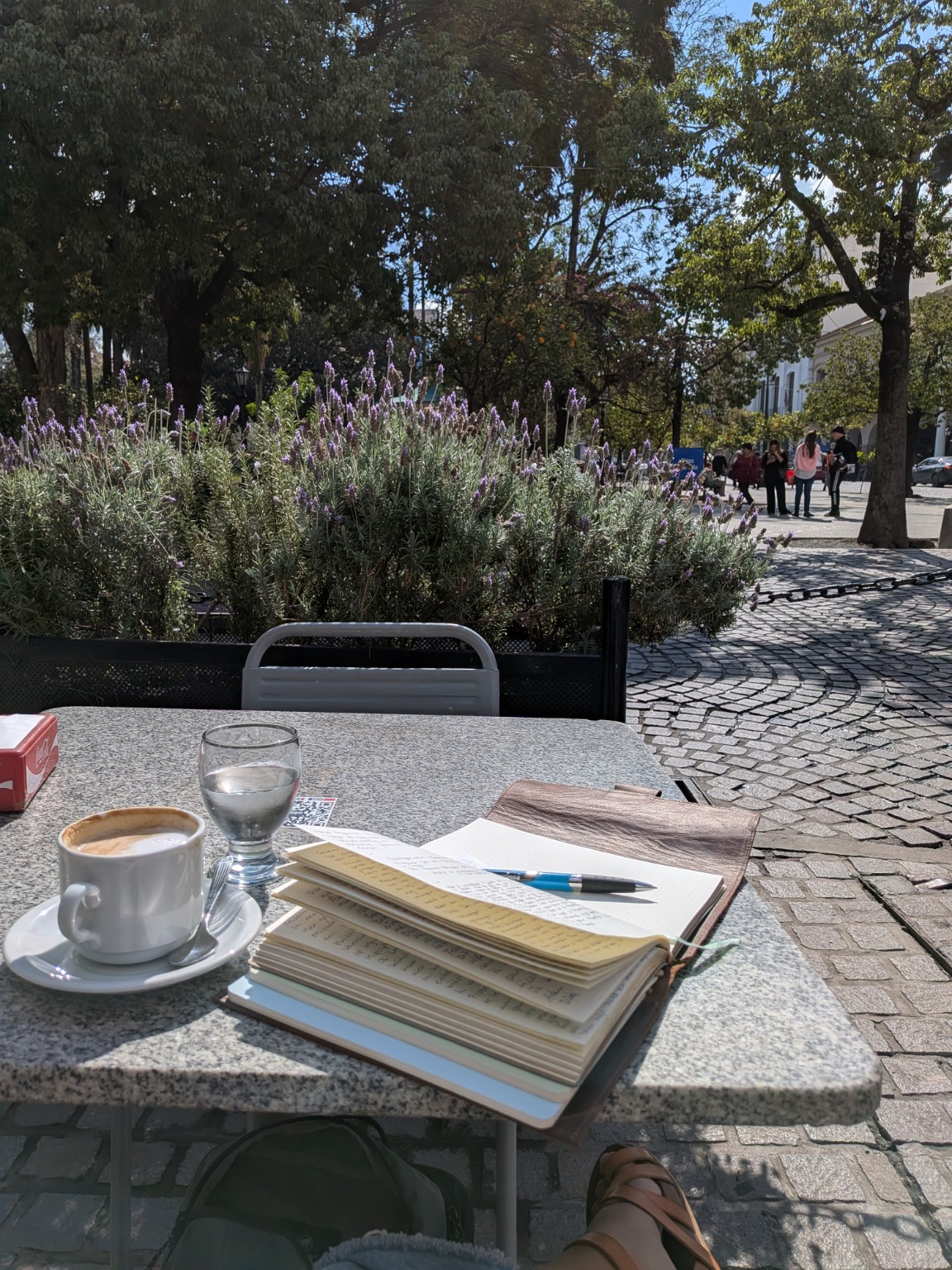
Constantly changing locations and meeting new people can quickly drain my energy. Simple routines, shopping at the same supermarket or visiting the same café, help me recharge and keep my energy steady.
Predictability gives me the capacity to socialise and explore. Without it, overwhelm sets in, and I need to retreat and recover.
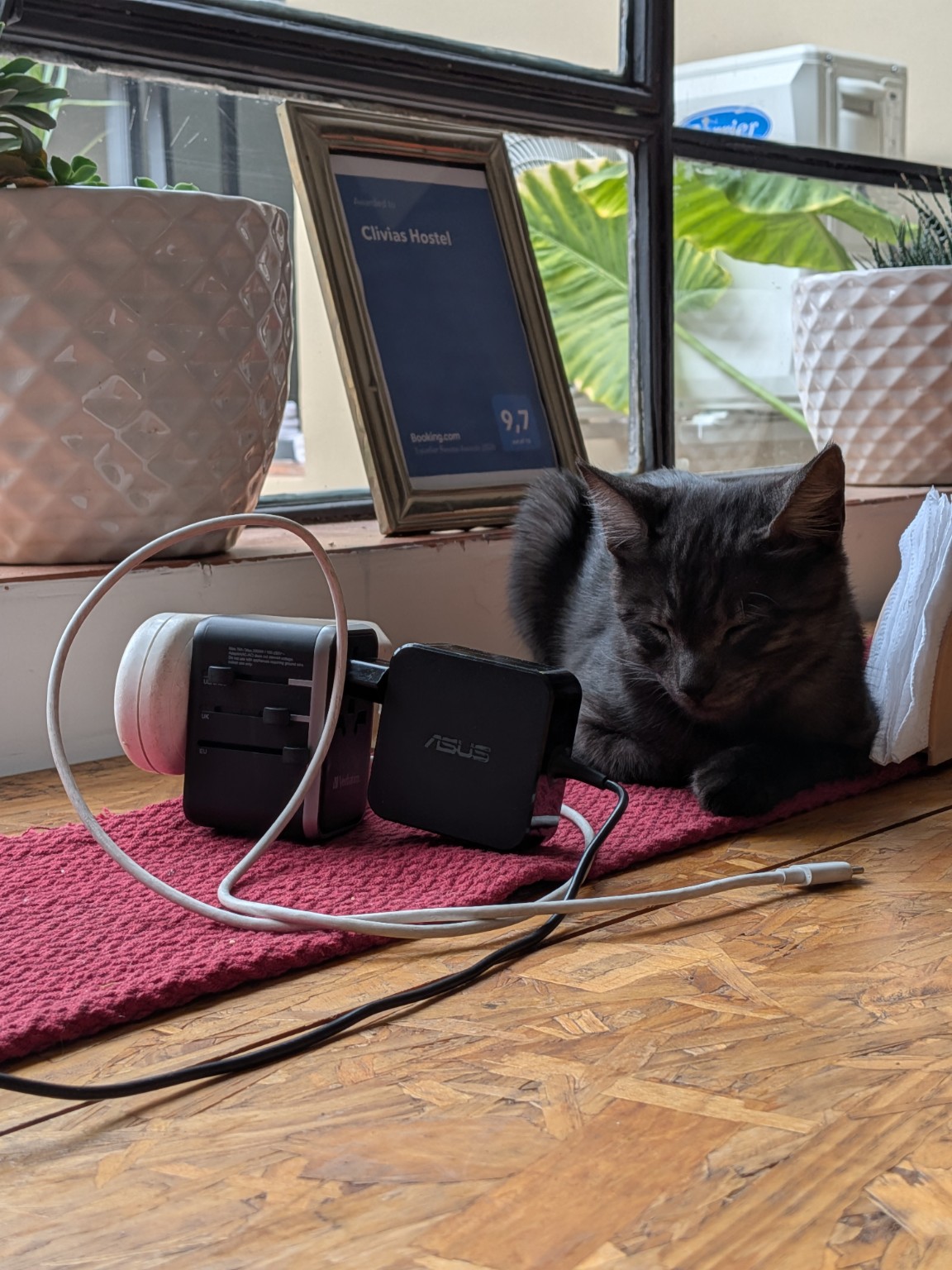
I was lucky to find a hostel that suited my needs. It had a quiet workspace where people sat with headphones on instead of making conversation. And there was a cat. Honestly, that cat became one of my favourite coworkers. Details like these made communal living more manageable.
The shared room had five beds: four regular beds and a loft bed, accessible by climbing a ladder. I picked the loft for extra privacy, even if it meant climbing up each night.
Honestly, I’d rather climb a ladder for my own little space than sleep directly next to other people I don’t know.
My loft bed had a divider, which gave me privacy and control over when I wanted to interact. The hostel cat also liked the spot, so we were chilling there together most of the time. Most people respected my space, a relief for anyone who struggles with social overwhelm.
Having some routine gave me the energy to socialise, but too much interaction still left me drained. I had to learn to balance social time with alone time, or I’d burn out quickly.
For a few weeks now, I have wanted to move on to the next province, Jujuy, but I kept postponing it. Change is hard when you need stability just to function. I eventually decided not to extend my stay in the hostel, but I also wasn’t ready to leave Salta just yet.
When I finally left the hostel, I booked an Airbnb, hoping a quieter space would help me focus on my work. But even there, I struggled to get things done. My social battery was completely empty, and I needed time to recharge before I could be productive or social again.
Of course, that didn’t stop the guilt from showing up. Task paralysis, a familiar part of my neurodivergent experience, kept me from working, no matter how much I wanted to.
I wasn’t being lazy; my brain just wouldn’t let me.
While in Salta, I met a developer who supported my business idea and encouraged me to connect with others. His encouragement was wonderful, but even positive interactions can be exhausting when you’re neurodivergent.
When the guilt got heavy, I reminded myself: self-care isn’t optional; it’s essential. Sleep, healthy food, movement, and sunlight are the basics that help me recover.
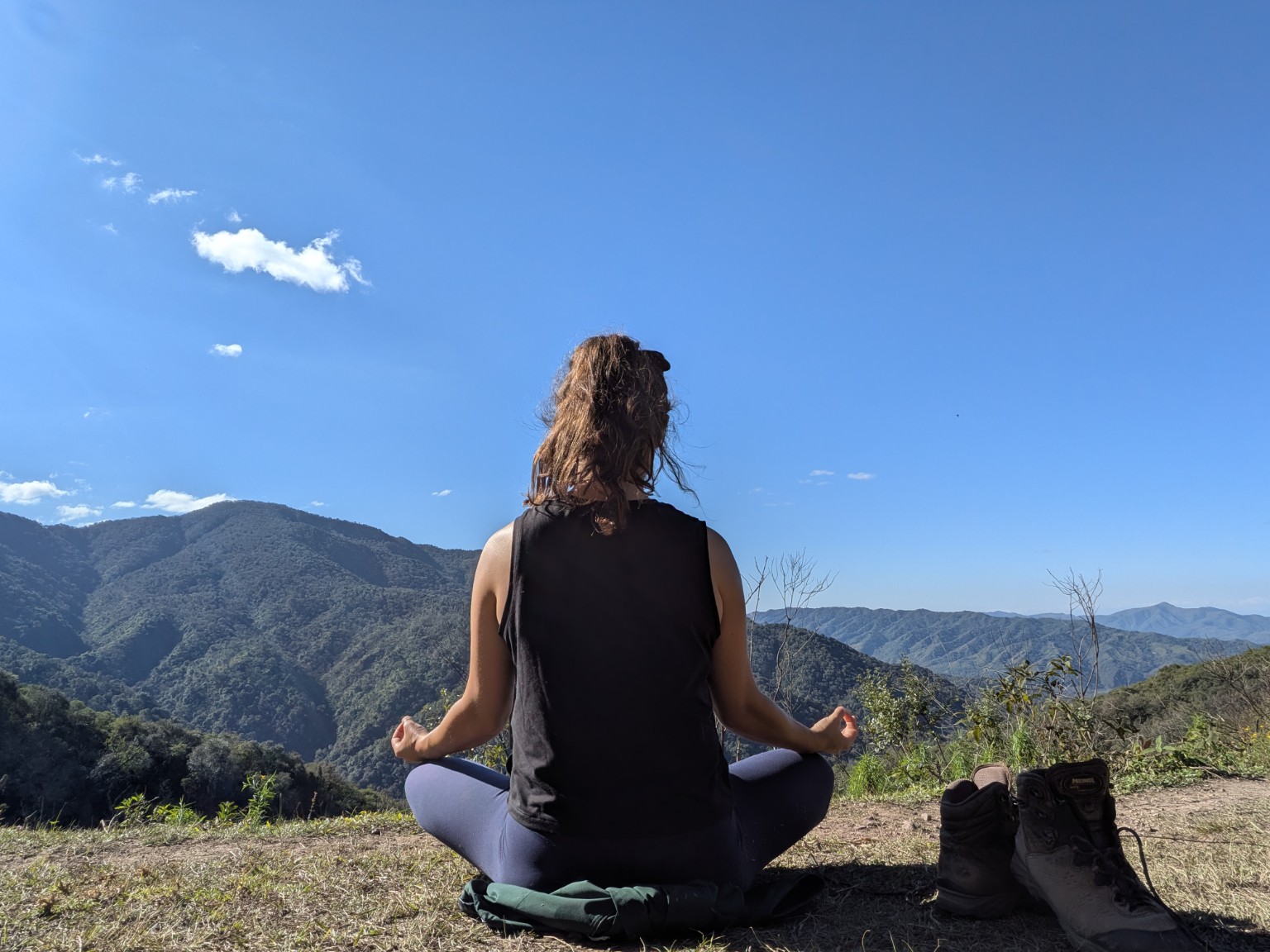
Fortunately, my friend understood. After a week of rest, I finally had enough energy to book a bus and move on to Jujuy, even if my productivity hadn’t been perfect this last week.
It’s taken years to meet my own needs with more kindness. Now, I recover faster and judge myself less harshly. It’s easy to be hard on yourself. Why am I so slow? Why haven’t I done more? But I’m learning to have more self-compassion. It’s okay to stay in one place for weeks and do less than planned. Travelling with neurodivergence means going at the pace that works for you.
I’m not failing at travel; I’m adapting it to my needs.
If that means travelling slower, that’s okay. I’m still learning to accept this, but it’s progress.
If any part of this feels familiar, I hope you know there isn’t one right way to travel. You’re allowed to travel in the way that works for you.
Dorien Panhuyzen
Founder of Globetrotting Dodo
Take what you need.
There is no single right way to travel.
Sometimes slowing down is exactly what allows us to keep exploring.
Thank you for taking the time to read my story.
How did this land with you?
Tap as many as you feel. This is just between us — no counters, no pressure.
Share your story
What resonated with you? Feel free to share your own experience.
Continue Reading
Story 2
Sometimes the place you’re staying in can make all the difference
For me, the right accommodation isn’t about comfort — it’s about accessibility. Choosing a space where I can retreat and recharge is sometimes what makes a trip possible at all.
Story 3
Learning how to regulate while travelling
Learning to recognise when I’m overwhelmed — and what actually helps me calm down again — while travelling through northern Argentina.
From the community
Share yours
Your story could be the one someone needs to read next.
Coming soon